
Use these ideas to plan with our team. Activities, accommodation, transfers and inclusions depend on your confirmed itinerary and availability. Wildlife sightings are never guaranteed.
Overview of the National Parks in Kenya
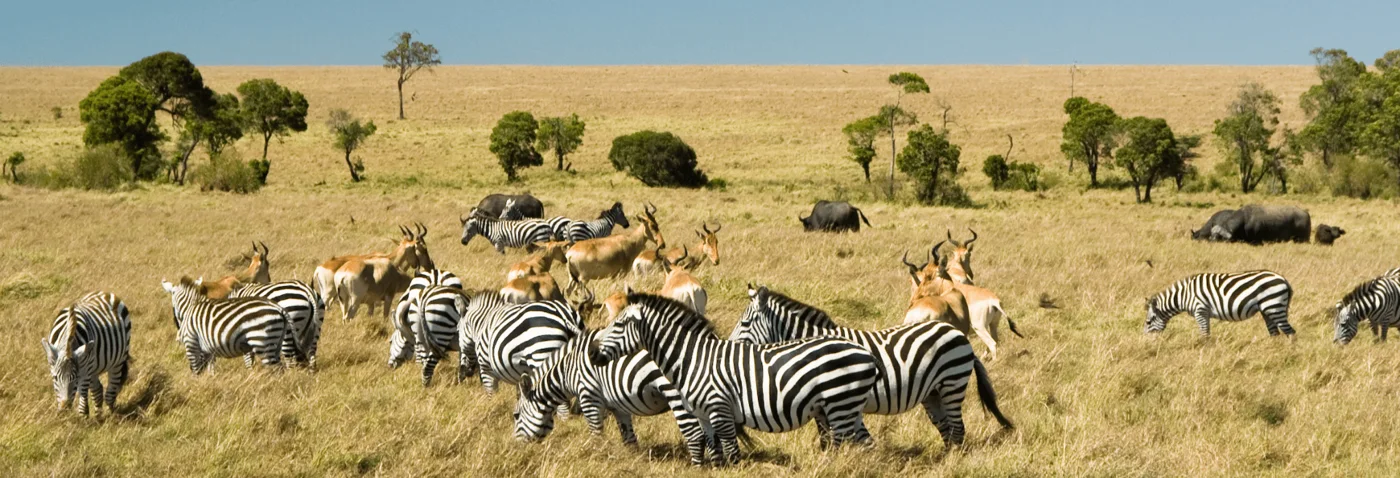
Welcome to the magnificent world of Kenya’s National Parks, where the unadulterated splendor of the continent’s natural scenery and animals combine to provide visitors with an amazing East Africa Safari Experiences. Due to its great biodiversity and different habitats, Kenya is a preferred travel destination for environmentalists and nature lovers.
As well as those that desire adventure. This article will explore the delights of Kenya’s National Parks, including the captivating animals, must-see park locations, conservation initiatives, cultural encounters, safari excursions, and eco-friendly tourism strategies that make visiting these parks a really unique experience. Discover the wonders that lie ahead in Kenya’s well-known national parks by traveling with us on a virtual safari through the country’s interior.
For those who enjoy the outdoors and wildlife, Kenya’s national parks are a paradise. With their varied topographies, which include forests and savannahs, these parks provide a window into the abundant biodiversity of the area. A wide variety of animals, including the well-known Big Five (lion, elephant, buffalo, leopard, and rhinoceros), may be found in Kenya. Numerous species can be found in the national parks, which makes it a photographers’ and wildlife enthusiasts’ heaven.
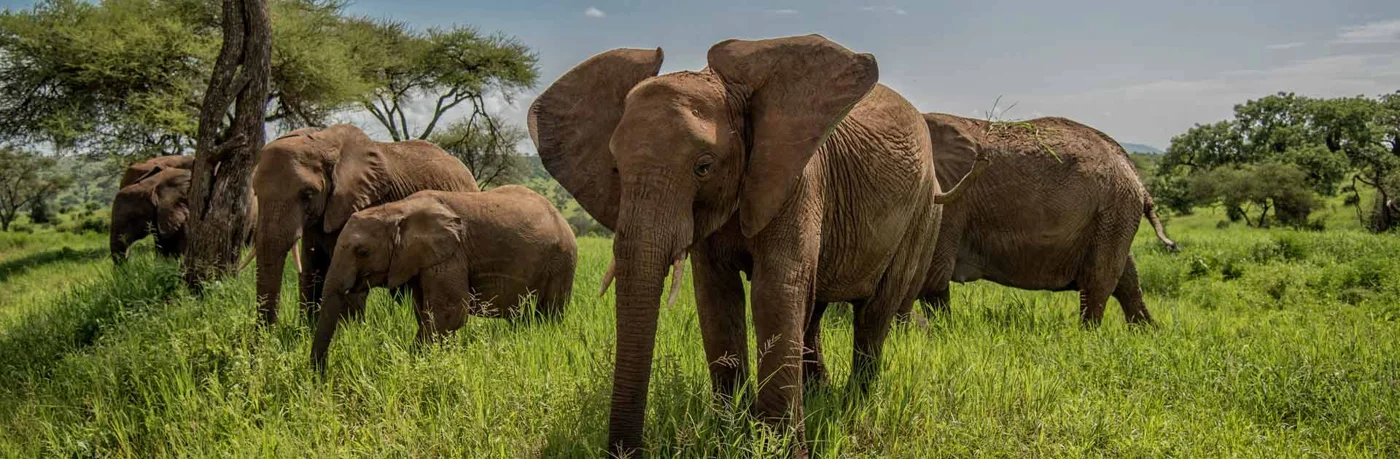
Kenya’s National Parks Are Important for Conservation
Kenya’s national parks are essential to conservation efforts because they safeguard threatened species and maintain their natural environments. Travelers who visit these parks support conservation efforts and sustainable ecotourism.
Organizing Your Kenya Travel
Make sure all of your travel arrangements are in place before you go off on your African Safari Adventures.
Ideal Time to Visit National Parks in Kenya
During the dry season, which runs from June to October, when animal viewing is at its optimum, is the ideal time to visit Kenya’s national parks. But November and December’s brief rains bring with them rich scenery and fewer tourists.
Check Kenya’s official electronic travel authorization portal for the requirements and exemptions that apply to your nationality before departure. Do not assume a visa is available on arrival.
Lodging Options Close to National Parks
Kenya’s national parks offer a range of lodging choices, from opulent resorts to reasonably priced campsites. You can fully immerse yourself in the nature and discover the allure of the African bush by choosing to stay inside or close to the parks.
Investigating Kenya’s National Parks’ Wildlife
Getting a close-up look at Kenya’s amazing wildlife is one of the best parts of visiting its national parks.
Kenya’s Famous Wildlife Species
Kenya is well-known for having a wide variety of animals, such as cheetahs, lions, elephants, giraffes, and zebras. A chance to witness these magnificent creatures in their native environment is provided by the distinctive wildlife viewing experiences offered by each national park.
Self-drive and guided safari tours are available.
There are options to fit every traveler’s preference, whether they choose a self-drive adventure or a guided Luxury Safari Tours with knowledgeable rangers. The flora and animals are thoroughly explained on guided excursions, but self-drive options give you more freedom and flexibility.
Kenya’s Best National Parks for Visitors
Kenya is home to numerous internationally recognized national parks that provide tourists with life-changing experiences.
A National Reserve in Masai Mara
The Masai Mara, well-known for the Great Wildebeest Migration, is a site that wildlife aficionados just must see. Take in this amazing natural spectacle as hundreds of wildebeest, zebras, and other creatures cross the Mara River.
Park Amboseli National
Amboseli National Park, which is surrounded by Mount Kilimanjaro, is well-known for its enormous herds of elephants and breathtaking vistas of Africa’s tallest mountain. The park provides fantastic chances for observing wildlife, including the possibility to witness recognizable creatures like cheetahs, leopards, and lions.
National Reserve of Samburu
Samburu National Reserve, a hidden treasure in northern Kenya, is well-known for its unusual wildlife species, which include Somali ostriches, reticulated giraffes, and Grevy’s zebras. Nature lovers will find the reserve to be an enthralling trip due to its rough landscapes and diverse fauna.
Ranger patrols are part of efforts to protect wildlife from poaching.
Cultural Encounters in and around the National Parks of Kenya
Relationships with the Local Tribes
In order to get insight into the rich cultural legacy and customs of the local tribes, like the Maasai and Samburu, visitors to Kenya’s national parks can engage with these groups. These exchanges enrich the safari experience overall by offering a unique perspective into the traditions, ceremonies, and beliefs of these native tribes.
Customary Crafts and Dances
To fully immerse oneself in Kenya’s rich cultural tapestry, one must witness the traditional crafts and dances performed by the local communities. These cultural expressions offer a deeper appreciation for the country’s cultural richness and add a colorful depth to a safari trip. They range from rhythmic dances that narrate stories of their traditions to elaborate beadwork and artisan demonstrations.
Traveler Advice and Suggestions for Safari Activities: What to Pack for Your Safari Adventures
The following goods are necessary to bring on a luxury safaris in Kenya’s national parks: sunscreen, insect repellent, binoculars, a camera, lightweight clothing, supportive walking shoes, a hat with a brim, and any necessary medications. For game drives, it’s also a good idea to bring food and a reusable water bottle to stay hydrated and energized.
Photographic Advice for Getting Wildlife Shots It takes time, patience, and the correct tools to photographically capture the majesty of Kenya’s animals. Using a telephoto lens for close-up images, modifying settings for various lighting situations, arranging shots with unique viewpoints, and honoring the animals’ space to photographically capture their natural behaviors are some advices for wildlife photographers.
Eco-Friendly Travel Strategies in Kenya’s Parks
Eco-Friendly Campsites and Lodges
Eco-friendly lodges and camps have been constructed in Kenya’s national parks to promote sustainable tourism while minimizing the negative environmental effects. These lodgings put an emphasis on recycling, conserving energy and water, supporting the neighborhood, and providing a responsible and environmentally conscious stay for guests amid the scenic splendor of the parks.
Guidelines for Watching Wildlife Responsibly
Respecting regulations to protect animals’ safety and welfare as well as the health of their habitats is part of responsible wildlife viewing in Kenya’s national parks. It is recommended that visitors keep a safe distance from wildlife, refrain from feeding or bothering animals, and follow the trails that have been designated and the park’s authorities’ guidelines. Visitors may help to preserve these priceless ecosystems for the enjoyment of future generations by showing respect for the natural world and wildlife.
We sincerely hope that this article has encouraged you to plan your trip so you can experience the wonder and beauty of Africa’s wildlife firsthand as you come to the end of your virtual tour of Kenya’s National Parks. Kenya’s National Parks provide an unrivaled opportunity for adventure and discovery, whether your desire is to see majestic lions on the savannah, see colorful tribal cultures, or just spend time in the peace and quiet of nature. Always be mindful of your surroundings, show consideration for the local community and the environment, and help preserve this natural heritage for the enjoyment of future generations. Get ready for an incredible African Safari Adventures that will leave you with lifelong memories when you start organizing your trip today.
FAQ
Q. When is the ideal time to go on a safari in Kenya’s national parks?
A: The dry season, which often lasts from June to October and from January to February, is the ideal time to go on a safari in Kenya. Wildlife watching is at its best during this time of year since animals congregate around water sources, which facilitates their visibility.
Q. Are there any safety measures to consider when going on a safari in Kenya?
A: Although visiting Kenya’s National Parks is generally safe, it’s important to always heed the advice of your safari guide. To guarantee a safe and enjoyable experience, stay inside authorized areas, obey park rules, and refrain from approaching wild animals.
Q. What style of lodging should I anticipate when on a safari in Kenya?
A: There are a variety of lodging alternatives available in Kenya’s national parks, ranging from affordable campsites to opulent lodges and tented camps. You can pick from a range of lodging options that provide comfort and an immersion in the natural environment, depending on your preferences and financial constraints.